


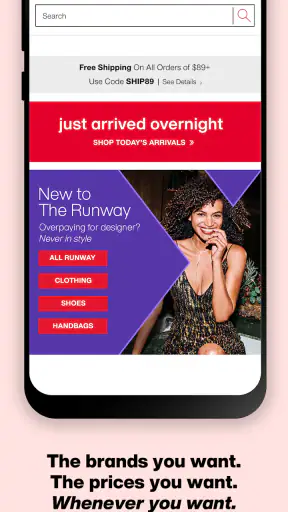

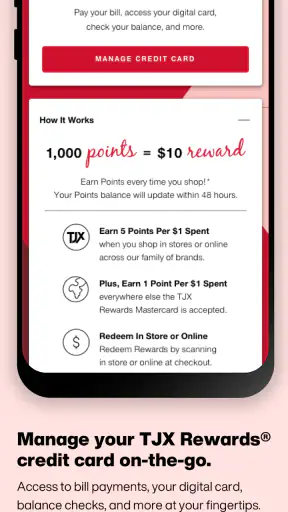
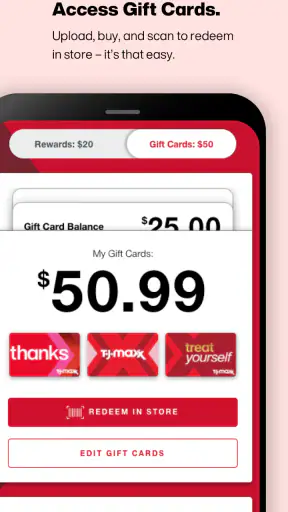
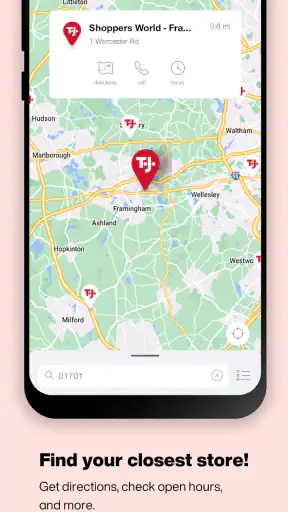
Shopping for clothes, home goods, or gifts can be enjoyable, but the experience changes quickly when an app is hard to read, awkward to navigate, or demanding in a busy environment. I spent time using T.J.Maxx as a practical shopping companion rather than treating it as a simple catalog. My main question was whether it helps different people shop with less effort, including users who need clearer visual organization, prefer slower browsing, have limited dexterity, or are trying to plan a store visit while away from home.
This is a free shopping app from The TJX Companies, Inc, aimed at people who already shop at T.J.Maxx or want to combine online discovery with visits to physical stores. It brings together shopping, TJX Rewards, gift cards, and a store locator. The app is rated for Everyone, and its current version is 17.1.1 for devices running operating system version 10 or later. That combination makes it broadly approachable, although the practical experience still depends on the phone, display settings, connection, and the way each person prefers to shop.
How T.J.Maxx feels to read and navigate
The first thing I noticed is that the app works best when I approach it with a specific purpose. Browsing through merchandise can be pleasant, but the range of products means that an unfocused session may become visually busy. If I am looking for a gift, a particular type of clothing, or something for the home, I get more value by deciding what I want to accomplish before opening the app. That small habit reduces unnecessary scrolling and makes the interface feel more manageable.
Product photography naturally takes up much of the shopping experience. That is useful for comparing styles and colors, but it also means that users who enlarge text or rely heavily on visual clarity may need to adjust their expectations. Larger system text can help with surrounding labels, yet it cannot make every product image easier to interpret. I found it helpful to pause on an item rather than rapidly moving through a long stream of pictures, especially when checking whether the product matched what I had in mind.
The app’s main purposes are reasonably easy to understand: browse merchandise, manage or explore TJX Rewards, handle gift-card needs, and locate a store. Those destinations are more useful than a purely promotional home screen because they correspond to real shopping tasks. I can open the app to investigate an item, check a gift-card need, or prepare for a store visit without having to use a separate general search tool for every step.
For readers who depend on screen readers or voice control, the most important practical approach is to test the key route rather than assume every screen will behave identically. I would check whether the device identifies buttons, product images, navigation controls, and form fields in a sensible order. If a particular product card is difficult to interpret, moving through the page more slowly or switching to another shopping route may be easier than repeatedly trying the same gesture. The app is useful, but I would not describe it as a substitute for checking accessibility personally on your own device.
One helpful workflow is to separate discovery from decision-making. I use the app first to collect a short list of possibilities, then revisit those items one by one. This is less tiring than trying to remember details from many product cards at once. It also helps shoppers who find rapid visual changes distracting or who need extra time to compare colors, shapes, and intended use. A notes app or a simple written list can make this process even clearer, particularly when shopping for several people.
Search and browsing are not identical experiences. A direct search is usually the better choice when I know the kind of item I want, while browsing is more suitable when I am looking for inspiration. That distinction matters for users with attention, memory, or processing challenges. Starting with a broad browse and then narrowing the goal can create decision fatigue; starting with a concrete need gives the app a clearer job.
The store locator is another area where clarity matters. It turns the app from an online browsing tool into something useful for planning a physical visit. I would use it before leaving home, not only after arriving in an unfamiliar area. Knowing which store I intend to visit can reduce last-minute searching, especially for someone who needs additional time, transportation planning, or a quieter shopping window.
Visual comfort and reading choices
People shop with very different visual needs, so I paid attention to how much work the interface asks from the eyes. Product images are central, and that is unavoidable for a fashion and home-goods retailer. However, image-led browsing can be tiring for users with low vision, light sensitivity, visual processing differences, or difficulty distinguishing similar products. I found that shorter sessions, device brightness adjustments, and using the phone’s built-in magnification tools can make browsing more comfortable.
Those adjustments are not the same as an app guaranteeing an ideal experience for every visual condition. A shopper who needs detailed text descriptions for every visual element may find image-based discovery limiting. In that situation, a retailer’s website, a trusted helper, or an in-store conversation may be a better companion for the final decision. The app can support the process, but it should not be the only source of information when visual interpretation is difficult.
Text size is also worth considering. Increasing the system font may improve readability in some areas, but enlarged text can change how much information fits on screen. That may mean more scrolling or require extra attention to avoid skipping controls. I prefer a moderate setting and a slower pace rather than maximizing text size and trying to navigate a crowded layout. Users should experiment before starting an important shopping task, such as preparing a gift-card purchase or planning a store visit.
Color and contrast can affect more than comfort. Clothing and home products often depend on subtle differences in shade, texture, or finish, and a phone display cannot always reproduce those distinctions perfectly. I treat images as a starting point rather than absolute proof of color. If the exact appearance is important, visiting a store or asking someone to confirm the item can prevent disappointment.
Motor effort, touch control, and sensory load
Shopping apps can be demanding for people who have tremors, limited reach, joint pain, or difficulty with precise tapping. T.J.Maxx is most comfortable when I use deliberate gestures and avoid trying to operate it while walking. A stable grip, a larger device, or a phone stand can make browsing less physically tiring. Voice features built into the phone may also help with general navigation, although their usefulness depends on how clearly the app labels its controls.
For a user with limited dexterity, the most sensible strategy is to reduce the number of decisions made in one session. I would begin with a clear category or shopping goal, review only a few promising items, and stop once I have enough information. This avoids the repeated swiping and backtracking that can turn a simple purchase into a physically uncomfortable task. The app’s store locator can also help shift the process from prolonged phone interaction to a planned in-person visit.
Users with sensory sensitivities may prefer a quiet, predictable routine. I would browse at home rather than in a crowded store, use a lower screen brightness if that feels better, and avoid switching rapidly between product pages. The app can support preparation, but it cannot control the sensory conditions of the store itself. That is an important distinction: digital planning may reduce uncertainty without removing every challenge associated with shopping in person.
Notifications and interruptions are another consideration. When I want to compare items carefully, I prefer to silence unrelated phone alerts. This is not a special feature of the app, but it changes the experience considerably. Fewer interruptions make it easier to remember why I opened a product page and reduce the chance of losing my place. For shoppers who are easily distracted, this simple environmental adjustment may be more useful than trying to browse faster.
Gift cards provide a practical use case beyond personal shopping. If I am preparing a present for someone who has a very specific style, I can use the app to think through the gift-card route instead of guessing at a product. That can be more inclusive for the recipient because it leaves room for their own preferences, sizing needs, or sensory comfort. I would still review the final details carefully before completing anything, especially if another person is relying on the gift.
Using the app in different real-life situations
Imagine that I am buying a birthday gift after work. I have limited time, do not want to wander through several stores, and need a practical way to decide whether a T.J.Maxx visit makes sense. I can browse beforehand, use the store locator to identify a nearby location, and arrive with a short list rather than an open-ended mission. For someone who finds unfamiliar environments stressful, that preparation can make the visit feel more predictable.
Another realistic situation is shopping with a family member who needs a slower pace. Instead of handing over the phone and expecting them to navigate quickly, I can review items together, enlarge the display if needed, and discuss one product at a time. The app becomes a shared planning tool rather than a test of speed or touch accuracy. That approach is especially useful when the shopper wants control over the decision but benefits from another person handling small gestures.
For someone who relies on public transportation or another carefully timed journey, the store locator is useful before setting out. I would confirm the intended location and leave enough time for the physical shopping experience, rather than assuming that finding a store is the same as completing the trip. The app helps with the first planning step, but travel conditions, store layout, stock, and personal energy still need to be considered separately.
People who prefer online-only shopping may find the app less compelling if their main expectation is a highly detailed, frictionless checkout journey. T.J.Maxx is valuable as a brand-specific shopping and planning tool, but it does not replace every function of a broad marketplace app. A general retailer may offer more standardized product information across sellers, while a comparison-shopping tool may be better for checking prices and specifications across brands. I would choose this app when T.J.Maxx itself is the destination, not when I am searching the entire market.
It is also a good fit for existing TJX Rewards users who want related information in the same place. Keeping rewards activity close to shopping can reduce the need to remember separate destinations. Still, I would not install it solely because I expect every purchase decision to become easier. The strongest reason to use it is the combination of retailer-specific browsing, rewards, gift-card access, and store planning.
Where the experience still creates barriers
The biggest limitation is that an app cannot solve the unpredictability of off-price retail shopping. Product availability, sizes, colors, and in-store selection can change, so digital browsing should not be treated as a guarantee that a particular item will be waiting on a shelf. This matters especially for users who spend significant energy arranging transportation or preparing for a store visit. I would avoid building an elaborate trip around one item unless I had another way to confirm it.
Image-heavy shopping can also place too much responsibility on the user. Someone with low vision, color-vision differences, or difficulty interpreting fashion images may need another person’s help for details the app does not make obvious. Even users without disabilities may find it hard to judge fabric, true color, scale, or comfort from a screen. For those decisions, an in-store check remains more reliable.
Small touch targets, changing page layouts, or a long scroll can be tiring for people with motor or cognitive needs. If I notice that I am repeatedly losing my place, I stop and restart with a narrower goal instead of forcing myself through the same route. That is a useful trade-off: the app can save time when used selectively, but extended browsing may create more work than visiting a store with a clear plan.
Connection quality can affect any shopping session that relies on product images and remote content. I would not wait until I am in a weak-signal area to do important preparation. Planning at home, where the phone is comfortable and the connection is dependable, is the safer approach. Then the store locator and saved mental shortlist can support the trip without requiring constant browsing.
Privacy and account comfort may influence whether someone wants to use rewards-related functions. I prefer to understand which parts of the app require an account and which tasks I can complete without one before investing time in setup. Users who dislike creating accounts or managing credentials may be happier using the app only for browsing and store planning, then handling other shopping steps in a way that feels more comfortable.
The age rating of Everyone makes the app broadly suitable from a content perspective, but that does not mean every interaction will suit every young user independently. Children may still need an adult for spending decisions, account handling, and interpreting product information. Families can use the app together as a planning exercise, with the adult keeping control of any sensitive or financial step.
My inclusive verdict
After using it as both a shopping guide and a store-planning tool, I see T.J.Maxx as a practical choice for people who already want to shop with this retailer. Its free price removes an obvious barrier, and its audience is substantial: it has passed one million installs, with an average rating of 4.0 from around 6.9 thousand ratings. Those figures suggest a familiar, established app rather than an experimental download, while still leaving room for individual experiences to differ.
I especially recommend it to shoppers who want to browse before visiting a store, keep rewards-related tasks nearby, find a location, or use gift cards without relying entirely on memory. It can also help caregivers, family members, and friends prepare a more comfortable shopping trip for someone who needs extra time or a predictable plan. The best results come from using it intentionally, with a short list and realistic expectations about what a retail app can confirm.
I would be more cautious about recommending it as the only shopping method for someone who needs highly detailed nonvisual product information, guaranteed item availability, or a very low-effort interface for every interaction. In those cases, a different retailer with more standardized descriptions, a desktop browser, direct assistance, or an in-person visit may be better. That is not a failure of the app so much as a reminder that inclusive shopping often requires more than one route.
My practical advice is to adjust the phone for comfort, browse in a calm setting, use the store locator before traveling, and treat product images as helpful clues rather than final proof. If a task becomes physically or mentally tiring, narrow the goal or ask for assistance instead of pushing through. The app is most inclusive when it supports a person’s chosen shopping routine rather than forcing everyone into the same one.
Overall, I find T.J.Maxx worthwhile for retailer-specific discovery and planning. The app does not remove every visual, motor, sensory, or situational barrier, but it gives shoppers several useful starting points in one place. For a friend who shops at T.J.Maxx and wants a free way to prepare, browse, manage rewards, handle gift cards, and locate stores, I would recommend trying it—provided they judge the interface on their own device and keep an alternative plan for decisions that require more detail or certainty.


